Our mission is to make the world a healthier place to travel.
We award scholarships to doctors and nurses from countries where travel medicine is an emerging specialty. Our scholars introduce travel health services and improve health standards in their community, benefitting local patients and travellers. To advance the knowledge and practice of travel health, we also sponsor lectureships on the latest research in travel and tropical medicine.
Our vision is to live in a world where travellers have access to quality medical care no matter who or where they are.
When health practitioners are trained in travel medicine, they are better prepared to meet the health needs of travellers. After their training, IAMAT scholars return home to teach their colleagues in travel medicine and introduce and expand travel health services in their country.
Our motto Ut Unum Sint means ‘That They May Be One’ in Latin. It still resonates today as travel is important to our well-being and attaining cultural understanding.
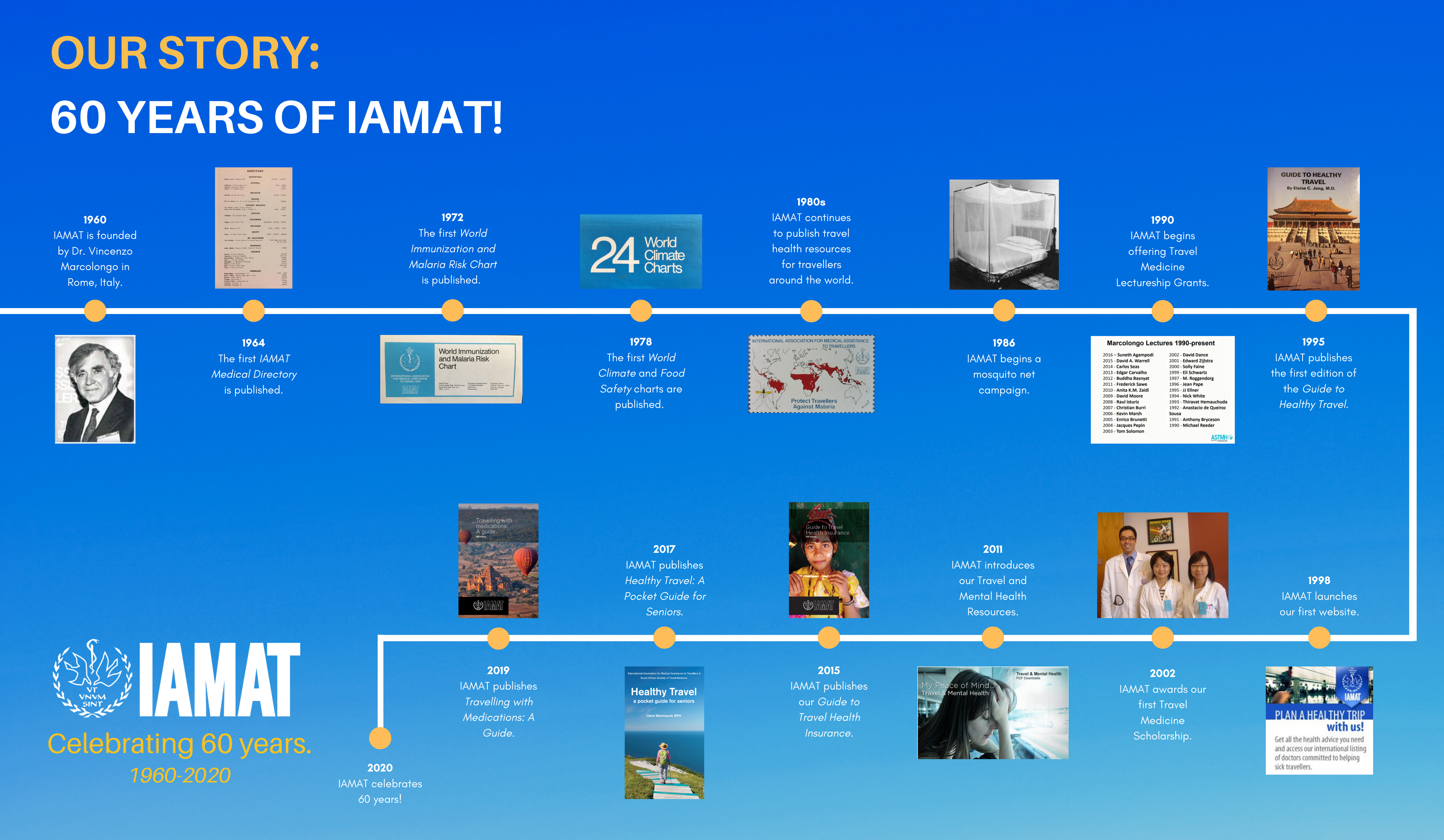
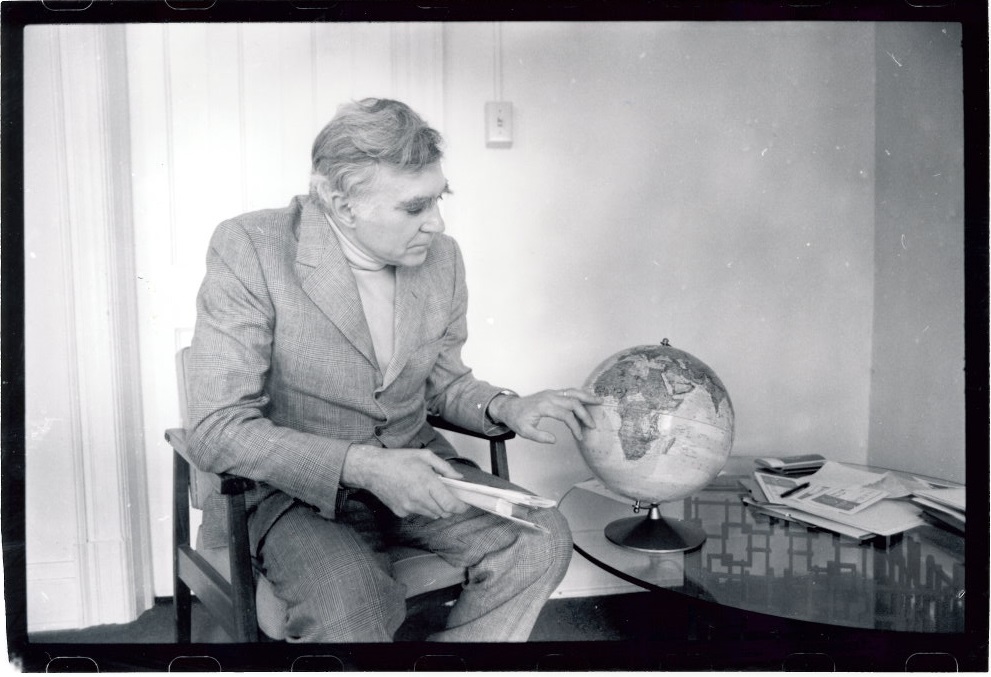
IAMAT was founded in 1960 by Dr. Vincenzo Marcolongo after he was referred a sick patient – a young Canadian traveller – by a colleague. Dr. Marcolongo made the medical needs of travellers his life's work, and in an era of increasing international travel, he understood that there was a need for collaboration among medical practitioners around the world to help travellers. The world is different today than it was in 1960. What began as an effort to ensure travellers have access to reliable healthcare abroad and travel health information wherever they are has evolved into something much bigger; bringing travel medicine to more countries and travellers with our scholarships and lectureships.
See why IAMAT was created and where we are now.
When the relations of people are expressed in terms of cooperation and human endeavour, we become conscious and deeply aware that we belong to each other. With the progress of technology, and the consequent increase in communications, people are no longer confined within the boundaries of their own country. In view of the medical aspects involved in travel, it was obvious that an active cooperation among physicians throughout the world was required.
In 1960, we coordinated the services of doctors into the International Association for Medical Assistance to Travellers. Distinguished physicians and respected medical institutions, with a sense of solidarity which makes them like one family, are now working in harmony to assist the traveller who may require medical assistance in his journey. The international nature of travel demands closer relationships of mutual collaboration.In the era which the human family is now entering, we must overcome the barriers that still divide us. To decipher these signs of the times is to add a new dimension to one's mind. The need for peace and understanding between the peoples of the world has never been as great as now. Peace can come only with understanding, and travel is an important means of acquiring it. It is, however, only through the full consciousness of "the essence of the human" that we shall be able to open the difficult paths of international relationships.
As a traveller you have an excellent opportunity to serve your country and the world in creating ties of friendship. To you, therefore, we bring this message, a message sparked with beauty all its own: "The search for the human".
Vincenzo Marcolongo, MD, DTM
March 6, 1922 - February 2, 1988
Our Board of Directors provides governance, strategic direction, and support. All Board members participate on a voluntary basis.
Toronto, Canada
The International Medical Advisory Board provides us with medical advice. All Board members participate on a voluntary basis.
Reviewed and updated: March 2023
When you have reached the point where you no longer expect a response, you will at last be able to give in such a way that the other is able to receive and be grateful. - Dag Hammarskjöld